
.jpg)
Compact Stairs for Small Spaces: Smart, Stylish, and Space-Saving Solutions
Introduction: The Beauty of Making the Most of Small Spaces
Designing for small spaces is one of architecture’s most creative challenges. Every inch counts, and every feature must serve more than one purpose. Staircases, often viewed as mere connectors between floors, become central design features when space is limited. A well-planned compact stair design doesn’t just make a home functional — it adds personality, lightness, and flow.
Think of it this way: your staircase can either dominate the room or gracefully blend into it. In small apartments, studios, or duplexes, the goal is to create vertical movement that feels effortless and elegant. From spiral layouts to floating treads, today’s architects and designers are redefining how we climb within compact interiors.

1. Understanding the Role of Compact Stairs in Modern Homes
The compact staircase is no longer just a necessity; it’s a design statement. As urban homes grow smaller, designers focus on integrating stairs seamlessly into living areas. Compact staircases solve both functional and spatial problems — they save floor area while adding visual depth.
When designed thoughtfully, these stairs connect more than spaces. They connect ideas — how structure, light, and texture can merge to create harmony. Architects use compact stairs to divide spaces without closing them off, creating zones in open-plan layouts while maintaining visual flow.
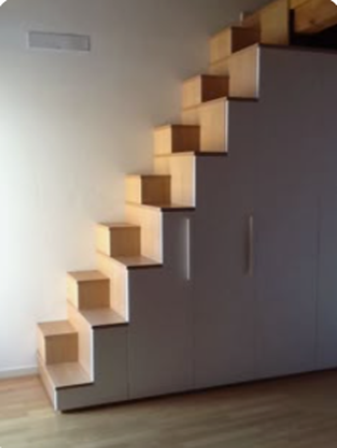
2. Why Compact Stair Design Matters
Compact stair design is a balancing act. It requires combining safety, functionality, and aesthetics within strict spatial constraints. Small-space living demands that staircases occupy minimal area without feeling cramped or unsafe.
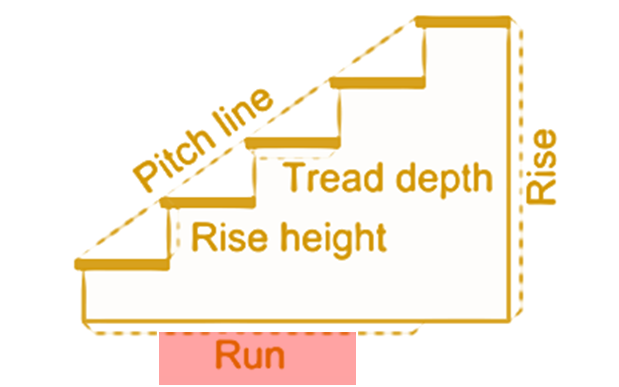
Traditional staircases often consume more than 40 square feet. In compact design, this is reimagined through shorter runs, tighter turns, and vertical efficiency. But reducing size doesn’t mean compromising comfort. Designers adjust tread depth, riser height, and incline angle to ensure ease of use.
What makes these stairs so appealing is their dual purpose — acting as sculptural elements while preserving valuable floor area.
3. The Design Principles Behind Space-Saving Stairs
Behind every beautiful compact staircase is a series of precise design choices. A stair’s geometry must follow human ergonomics while fitting within spatial limits. Proportion and rhythm are critical — the formula of 2 risers + 1 tread ≈ 63 cm (a standard ergonomic rule) ensures comfortable walking motion.


Staircase as a Sculpting element

Staircase as Mural wall element

When space is tight, designers manipulate geometry:
- Steeper inclines save space but demand wider treads.
- Floating designs reduce visual weight.
- Alternating tread stairs (ship ladders) are used for ultra-tight areas like lofts.
A compact staircase must not only “fit” — it should flow naturally. The key is to align form with function, allowing the design to look effortless while performing efficiently.

4. Exploring Different Compact Stair Layouts
Compact staircases come in various layouts, each designed for a different spatial challenge. Choosing the right type depends on available space, circulation needs, and design style.
Straight Flight Stairs
These are the simplest and most economical options. Perfect for narrow layouts, they create a clean, linear flow. Designers often integrate them along walls or as a backdrop to other architectural elements.
L-Shaped or Quarter-Turn Stairs
These change direction midway, saving floor space and improving safety by reducing steepness. The landing can serve as a small resting spot or transition zone between levels.
U-Shaped or Double-Turn Stairs
Popular in duplex apartments, these compact designs create symmetry and better circulation. They also help distribute load and light evenly through open risers.
Spiral and Helical Stairs
These are design favorites in micro apartments. A central column or curved railing supports treads arranged in a circle. While elegant and minimal, they need precise measurements to remain comfortable.
Floating and Cantilever Stairs
Attached to a single wall or spine, these appear weightless. Ideal for contemporary interiors, they open visual space and enhance light distribution.

5. The Aesthetic Power of Compact Staircases
Compact staircases are not just functional; they’re architectural art pieces. They have the power to define how a small space feels — airy, connected, or even sculptural.
A stairway’s visual form becomes part of the home’s storytelling — whether rustic, industrial, or minimalist. Even the smallest step detail can shift the tone from utilitarian to luxurious.

6. Function Beyond Movement: Storage, Lighting, and Display
In compact interiors, multi-functionality is key. Staircases serve as both connectors and containers. Designers integrate storage drawers, shelves, and even study nooks beneath the steps.
Lighting also plays a vital role. Hidden LED strips under each tread enhance safety while adding ambiance. Natural light can be maximized by aligning stairs near windows or skylights.
Some homeowners use the space under stairs creatively — as pet corners, mini libraries, or vertical gardens. Each idea transforms the staircase from a structural element into a dynamic lifestyle feature.
7. Choosing the Right Materials for Compact Stairs
Material selection determines the overall mood and safety of compact staircases. In small spaces, materials should be visually light but structurally strong.
- Wood offers warmth and timeless appeal, fitting both traditional and modern settings.
- Steel adds a sleek, industrial tone and pairs well with glass for openness.
- Concrete provides solidity and can be polished for a contemporary look.
- Glass introduces transparency and enhances brightness.
- Composites or laminates are cost-effective, lightweight, and customizable.
A common approach is mixing materials — like wooden treads on steel frames or glass balustrades with concrete bases. This hybrid design brings balance to compact interiors.
8. Integrating Compact Stairs into Interior Themes
Every home tells a story, and the staircase can be its focal point. Compact stairs can adapt to any interior theme:
- Minimalist: Floating treads and invisible supports create clean lines.
- Industrial: Raw steel, concrete, and matte black finishes add boldness.
- Scandinavian: Light wood tones and white walls emphasize simplicity.
- Rustic: Exposed grain wood with warm lights gives a cozy appeal.
The key is cohesion — a compact staircase should echo the home’s broader language without overpowering it.

9. Technology and Tools That Simplify Compact Stair Design
The digital era has revolutionized small-space architecture. Designers now rely on 3D modeling tools like SketchUp, Rhino, and Revit to simulate compact stair configurations accurately.
Plugins such as Curic Stair or Profile Builder enable architects to visualize dimensions and adjust ergonomics instantly. This precision ensures structural safety and design beauty coexist.
3D visualization also helps clients experience the stairway virtually — viewing materials, lighting, and finishes in real time before construction begins.
10. Common Mistakes to Avoid When Designing Compact Stairs
Designing compact stairs involves careful detailing. Small errors can impact both comfort and safety. Avoiding these mistakes is key:
- Overly steep risers: Steeper stairs might save space but compromise safety.
- Ignoring headroom: Minimum head clearance should always be maintained.
- Inadequate lighting: Poorly lit stairs reduce usability.
- Neglecting railing height: Correct railing height ensures safety for children and elders.
- Lack of visual continuity: Mismatched finishes or proportions can break flow.
Attention to these elements ensures the design remains timeless, comfortable, and code-compliant.
11. Cost and Maintenance Considerations
Compact staircases can be budget-friendly when planned efficiently. Straight stairs cost the least, while spiral or cantilevered options are more intricate and expensive due to custom fabrication.
Maintenance varies by material — wooden stairs need polishing, metal requires anti-rust treatment, and glass demands regular cleaning. However, good craftsmanship ensures durability and long-term appeal.
The secret lies in striking the right balance between beauty, safety, and longevity.

12. The Future of Compact Staircase Design
As cities grow denser, compact architecture will continue to evolve. Future stair designs will focus on modular systems, eco-friendly materials, and AI-assisted planning.
Prefabricated stair modules, foldable ladders, and adaptable designs will allow flexibility in changing layouts. Smart homes will integrate motion-sensor lighting and temperature control for added comfort.
In this evolution, compact stairs will remain the silent yet significant heroes of small-space design — merging technology with timeless craftsmanship.
Conclusion: The Staircase as a Statement of Smart Living
Compact staircases are proof that limitations can inspire innovation. They’re not just architectural necessities; they’re artistic expressions of how space can be used thoughtfully.
When designed with care, compact stairs bring together form, function, and feeling — the essence of modern small-space living. Whether minimalist or dramatic, every step becomes part of a larger story about living smarter, lighter, and better.
Frequently Asked Questions (FAQ)
Q1. What are the best compact staircase types for small homes?
Spiral and floating staircases are ideal for small spaces as they occupy minimal area while maintaining style and safety.
Q2. How can I make compact stairs safer for children or seniors?
Use non-slip materials, adequate railing heights, and soft lighting along each step to reduce risks.
Q3. Are compact staircases suitable for outdoor use?
Yes, with durable materials like galvanized steel or treated wood, compact stairs can be used outdoors effectively.
Q4. How much space do I need to install a compact staircase?
Depending on the type, you can fit a staircase within as little as 16–25 square feet, but proper headroom and clearance must be maintained.
Q5. What’s trending in compact stair design for 2025?
Floating stairs with integrated storage, LED lighting, and mixed materials are the top trends, blending practicality and elegance.


.jpg)


.jpg&description=Compact Stairs for Small Spaces: Smart, Stylish, and Space-Saving Solutions)
0 Comments