
.jpg)
Sustainable Thappi Plaster Technique: A Complete Guide to Eco-Friendly Walls
Introduction
In a world where construction often depends on cement, paints, and chemical additives, many people are turning back to traditional methods that are both sustainable and beautiful. One such method is the Sustainable Thappi Plaster Technique. This technique, rooted in Indian building traditions, uses lime, surkhi (burnt clay powder), sand, and a simple wooden tool called the Thappi to create durable, breathable, and elegant walls.

Thappi plaster isn’t just a wall finish. It’s a reminder of how construction used to be before industrial materials became the norm. It creates smooth, shining walls without a single drop of chemical paint. More importantly, it is eco-friendly and long-lasting, making it a perfect choice for sustainable architecture today. In this guide, we’ll explore what the technique is, how it works, why it matters, and how you can apply it step by step.
What Is Thappi Plaster?
Thappi plaster is a lime-based wall finish created by beating a mixture of lime, surkhi, and sand with a hand-held wooden tool known as the Thappi. The tool is used rhythmically to compress the plaster, polish the surface, and improve bonding. Over time, this process results in a smooth, durable, and shiny finish that can last for decades without paint or chemical coatings.

Historically, Thappi plaster was common in Indian homes, havelis, and temples. It created walls that were not only strong but also breathable, keeping interiors cool in summer and warm in winter. Unlike cement plaster, which can trap moisture and cause cracks, lime-based Thappi plaster adapts to temperature and humidity changes. This makes it not only beautiful but also sustainable.
Why the Sustainable Thappi Plaster Technique Matters Today
The sustainable Thappi plaster technique is becoming relevant again for three main reasons: environmental impact, durability, and heritage value.
Modern cement plaster requires high-energy production and is not very eco-friendly. Cement walls also often need chemical paints to look attractive, adding to their carbon footprint. Thappi plaster, on the other hand, is made with natural materials like lime and surkhi. It eliminates the need for paint because the finishing itself shines like polished stone.

Another reason is durability. Walls finished with Thappi plaster can last for generations if maintained properly. They resist weather, allow walls to breathe, and rarely flake or peel.
Finally, the technique is tied to heritage. By practicing it, we are not only building sustainable homes but also preserving traditional knowledge passed down for centuries.
Composition of Thappi Plaster
The strength and beauty of Thappi plaster come from its natural ingredients. The most common mix includes:


- Chuna (Lime): Acts as the binding agent. When properly slaked, lime becomes strong, breathable, and flexible.
- Surkhi (Burnt Mud Powder): Adds strength and reduces shrinkage. Surkhi is made by burning clay or brick and grinding it into a fine powder.
- Sand: Provides bulk and texture to the mix.
- Water: Helps bind all the ingredients and activates the lime.
The Thappi tool then ensures these materials blend and bond completely. Without thorough beating, lime and surkhi may not integrate well, leading to cracks or flaking.
Preparing Thappi Plaster Step by Step
Preparation is key to the sustainable Thappi plaster technique. It’s not just about mixing but also about timing and patience.
The first step is to create a soaking pit or container where lime and surkhi can be mixed with water. The ingredients are combined to form a runny batter-like mixture. This mixture is then left to rest for a few hours or even overnight.


During this time, the lime reacts with water and begins to mature. When ready, it thickens into a paste-like consistency.

Meanwhile, the wall surface must be prepared. It should be cleaned with a wire brush to remove dust and debris. The surface is then wetted to ensure the plaster bonds well and does not dry too quickly.


Once the mixture is ready and the wall is prepared, the application can begin.
Applying the Sustainable Thappi Plaster Technique
Applying Thappi plaster is as much about skill as it is about rhythm. The plaster is first spread onto the wall surface in an even layer. Using a trowel, the mason levels it out, ensuring there are no lumps or gaps.
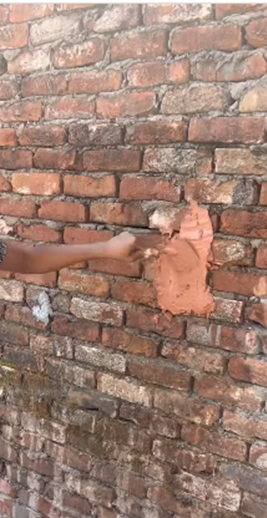


After a few hours of drying, when the plaster is partially set but not completely hardened, the Thappi tool comes into play. The wooden tool is used to beat the wall in a steady rhythm. This compresses the mixture, removes trapped air, and begins to polish the surface.

The key is to continue beating until a clear ringing sound emerges. This sound is a signal that the lime has begun to dry and settle properly. By this stage, the surface becomes dense, shiny, and beautifully smooth.
Benefits of the Thappi Plaster Technique
The sustainable Thappi plaster technique has many benefits that make it a strong alternative to modern plastering methods.
First, it creates durable and long-lasting walls. Unlike cement plaster, which may crack over time, lime plaster becomes stronger with age.
Second, it produces a beautiful natural finish. The rhythmic beating brings out a polished shine, eliminating the need for chemical paints. Many people find that Thappi plastered walls look elegant and timeless.

Third, it allows walls to breathe. This helps regulate moisture indoors, reducing the risk of dampness, mold, or peeling paint.
Finally, it contributes to sustainable construction. Since it uses natural and low-energy materials, it has a smaller environmental footprint compared to cement-based finishes.
Thappi Plaster vs Modern Cement Plaster
One of the most common questions people ask is: why choose Thappi plaster over cement plaster? The answer lies in performance, sustainability, and aesthetics.
Cement plaster is strong but brittle. It can trap moisture, leading to damp patches and cracks. It also requires paint or finishing coats to look attractive, which adds to cost and environmental impact.

Thappi plaster, on the other hand, is naturally smooth, shiny, and durable. It is flexible, breathable, and resistant to weather changes. It doesn’t require paint, saving money and reducing chemicals. While the initial preparation may take longer, the long-term benefits far outweigh the effort.
Common Mistakes and How to Avoid Them
Like any traditional craft, Thappi plaster requires care. Some common mistakes can ruin the finish.
One mistake is poor mixing. If lime and surkhi are not thoroughly blended, the plaster may flake or crack. Another is skipping the resting period. If the mix is applied too early, the lime may not react properly, reducing strength.
Over-beating or under-beating can also cause issues. Too little beating leaves the wall weak, while excessive beating may damage the finish. Finally, not preparing the wall surface—especially failing to wet it—can lead to poor bonding.
Being mindful of these steps ensures the plaster retains its beauty and strength.
Thappi Plaster in Modern Sustainable Architecture
While it has roots in history, the sustainable Thappi plaster technique is gaining new life in modern times. Architects focused on eco-friendly design are reintroducing it in green homes and sustainable projects. Its breathability makes it healthier for indoor environments, and its durability reduces maintenance costs.

It is also being used in heritage conservation. Old havelis, forts, and temples are being restored with Thappi plaster because it matches the original building methods and preserves authenticity.

Looking ahead, as more people seek eco-friendly alternatives, Thappi plaster may find a larger role in sustainable construction worldwide.
FAQs on Sustainable Thappi Plaster Technique
1. How long does Thappi plaster last?
If maintained well, Thappi plaster can last for decades. In some heritage buildings, lime plaster has remained intact for centuries.
2. Can Thappi plaster be used on modern concrete walls?
Yes. With proper preparation, it can bond well with concrete and other surfaces.
3. Is it more expensive than cement plaster?
Initially, it may cost slightly more due to labor and preparation time. However, since it doesn’t require paint and lasts longer, it is cost-effective in the long run.
4. Does it need regular maintenance?
Minimal maintenance is needed. Occasional cleaning and re-polishing may help, but the walls remain strong and shiny for years.
5. Can natural pigments be added for color?
Yes. Pigments can be mixed into the plaster to create subtle colors while maintaining sustainability.
Conclusion
The Sustainable Thappi Plaster Technique is more than just a way to finish walls. It is a celebration of tradition, sustainability, and beauty. By combining natural materials like lime and surkhi with skilled craftsmanship, it creates walls that breathe, last, and shine.
In today’s age of fast-paced construction and chemical-heavy materials, Thappi plaster reminds us that building can be both eco-friendly and artistic. Whether you’re restoring an old haveli or building a new eco-home, this technique offers a timeless, sustainable solution.
By embracing it, we not only protect our environment but also keep alive a valuable tradition that has served generations before us.


.jpg)

.jpg)
.jpg&description=Sustainable Thappi Plaster Technique: A Complete Guide to Eco-Friendly Walls)
0 Comments